The path to fitness success isn’t just paved with intense workouts—it’s built on how well your body recovers between sessions. While pushing your limits in the gym is crucial, what happens afterward determines your true progress. Effective muscle recovery techniques through nutrition, rest, and relaxation are the hidden keys that unlock your body’s potential to repair, rebuild, and grow stronger.
In this comprehensive guide, we’ll explore science-backed strategies that help your muscles bounce back faster, reduce soreness, and prepare you for your next training session. Whether you’re an athlete, fitness enthusiast, or someone looking to maximize workout results, these recovery techniques will help you achieve your goals more efficiently while minimizing injury risk.
Understanding the Science Behind Muscle Recovery
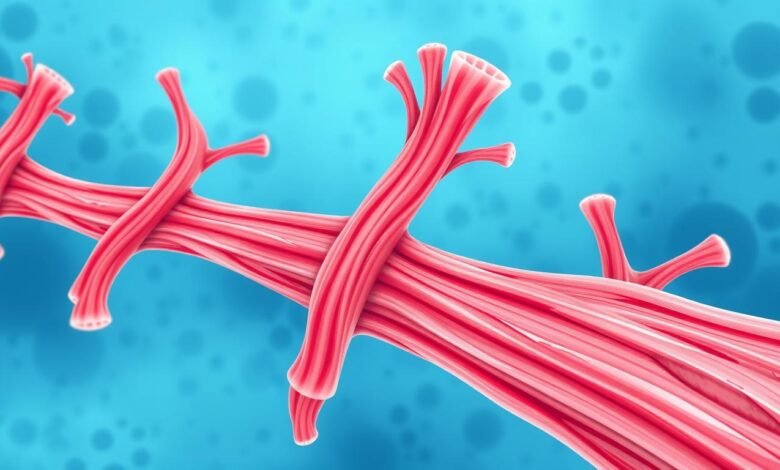
Muscle fibers undergo repair during the recovery process, building back stronger than before
When you exercise, particularly during strength training, you create microscopic tears in your muscle fibers. This controlled damage is actually beneficial—it’s your body’s signal to start the repair process. During recovery, your body works to heal these tears, resulting in stronger, more resilient muscles. This adaptation process is known as muscle hypertrophy, and it’s the foundation of strength gains and improved performance.
According to a study published in the Journal of Applied Physiology, the muscle repair process begins immediately after exercise and can continue for up to 48 hours. This explains why adequate recovery time between workouts is crucial—your muscles need this time to fully repair and strengthen.
The Recovery Timeline
Muscle recovery follows a predictable timeline that helps us understand when and how to implement various recovery techniques:
- 0-2 hours post-workout: The immediate recovery phase where your body begins to replenish energy stores and initiate repair processes. This is the optimal window for nutrition intervention.
- 2-24 hours post-workout: The early recovery phase where inflammation peaks and protein synthesis accelerates. Sleep quality during this period is particularly important.
- 24-48 hours post-workout: The late recovery phase where muscle rebuilding continues and adaptation occurs. Gentle movement and relaxation techniques are beneficial here.
- 48-72 hours post-workout: Complete recovery for most moderate workouts. However, very intense or novel exercises may require additional recovery time.
Understanding this timeline helps you strategically implement recovery techniques when they’ll be most effective. Let’s explore the three pillars of effective recovery: nutrition, rest, and relaxation techniques.
Nutrition: Fueling Your Muscle Recovery
What you eat after exercise significantly impacts how quickly and effectively your muscles recover. Proper post-workout nutrition provides the building blocks your body needs for muscle repair and growth while replenishing energy stores depleted during exercise.
Protein: The Building Blocks of Muscle Repair

High-quality protein sources provide essential amino acids for muscle repair and growth
Protein is often called the building block of muscles for good reason. It provides the amino acids necessary for repairing damaged muscle fibers and building new ones. Research published in the International Journal of Sport Nutrition and Exercise Metabolism suggests consuming 20-40 grams of high-quality protein within 30 minutes to 2 hours after exercise to maximize muscle protein synthesis.
The body releases growth hormone during this post-workout window, making it an optimal time to supply your muscles with the protein they need. Complete proteins containing all essential amino acids are particularly valuable for muscle repair and growth.
- Animal-based proteins: Chicken, turkey, fish, eggs, dairy (Greek yogurt, cottage cheese)
- Plant-based proteins: Tofu, tempeh, legumes, quinoa, hemp seeds, pea protein powder
- Protein timing: 20-40g within 30 minutes to 2 hours post-workout, then every 3-4 hours throughout the day
Carbohydrates: Replenishing Energy Stores
While protein gets most of the attention, carbohydrates play an equally important role in recovery. During exercise, your body depletes its glycogen stores—the primary fuel source for high-intensity activities. Consuming carbohydrates post-workout helps replenish these stores, preparing your muscles for your next training session.
A study in the Journal of the International Society of Sports Nutrition found that consuming carbohydrates within 30 minutes after exercise can increase glycogen synthesis by up to 50% compared to waiting several hours. This is particularly important if you train frequently or perform multiple workouts in a day.
- Fast-digesting carbs: White rice, pasta, potatoes, fruits (especially bananas and berries)
- Slow-digesting carbs: Sweet potatoes, oats, whole grains, legumes
- Carb timing: 0.5-0.7g per pound of body weight within 30 minutes post-workout
Hydration: The Often Overlooked Recovery Factor
Water is essential for nearly every bodily function, including muscle recovery. During exercise, you lose fluids through sweat, which can lead to dehydration if not properly addressed. Dehydration can impair protein synthesis, slow down nutrient delivery to muscles, and increase muscle soreness.
Research from the Journal of Athletic Training shows that even mild dehydration (2% of body weight) can significantly impact performance and recovery. Proper hydration supports blood flow to muscles, which delivers nutrients and removes waste products that contribute to soreness.
- Water needs: Minimum of 16-20 oz (500-600ml) within 30 minutes post-workout, then continue hydrating throughout the day
- Electrolytes: Sodium, potassium, magnesium, and calcium help maintain fluid balance and support muscle function
- Hydration signs: Clear to light yellow urine indicates proper hydration
Anti-inflammatory Foods
Exercise naturally causes inflammation as part of the muscle repair process. While some inflammation is necessary, excessive or prolonged inflammation can delay recovery and increase soreness. Incorporating anti-inflammatory foods into your diet can help manage this response and support faster recovery.
- Omega-3 fatty acids: Found in fatty fish (salmon, mackerel), walnuts, flaxseeds, and chia seeds
- Antioxidant-rich foods: Berries, dark leafy greens, cherries, pomegranates, and turmeric
- Tart cherry juice: Studies show it can reduce muscle soreness and inflammation after intense exercise
Sample Post-Workout Meal Ideas
Quick Options (within 30 minutes):
- Greek yogurt with berries and honey
- Protein shake with banana and almond butter
- Chocolate milk (natural recovery drink with protein and carbs)
- Rice cakes with tuna and avocado
Complete Meals (within 2 hours):
- Grilled chicken with sweet potato and steamed vegetables
- Salmon with quinoa and roasted broccoli
- Tofu stir-fry with brown rice and mixed vegetables
- Egg omelet with spinach, feta, and whole-grain toast
Rest: The Foundation of Recovery

Quality sleep is when the body releases growth hormone essential for muscle repair
Rest isn’t just the absence of activity—it’s an active process where your body repairs and strengthens itself. Adequate rest between workouts allows your muscles to recover fully, reducing the risk of overtraining and injury while maximizing performance gains.
Sleep: Your Ultimate Recovery Tool
Sleep is perhaps the most powerful recovery tool available, yet it’s often the most neglected. During deep sleep, your body releases growth hormone, which is essential for tissue repair and muscle growth. A study in the Journal of Strength and Conditioning Research found that athletes who slept less than 8 hours per night had significantly reduced performance and slower recovery times.
The body releases growth hormone primarily during deep sleep stages, making quality sleep crucial for muscle recovery. Research shows that sleep deprivation can decrease muscle protein synthesis by up to 18%, directly impacting your ability to recover and build muscle.
- Sleep duration: Aim for 7-9 hours per night, with athletes potentially needing up to 10 hours during intense training periods
- Sleep quality: Uninterrupted sleep with sufficient deep sleep phases is more important than total hours
- Sleep consistency: Going to bed and waking up at the same time helps optimize hormone release
Sleep Hygiene Checklist
- Keep your bedroom cool (65-68°F/18-20°C), dark, and quiet
- Avoid screens (phones, computers, TV) at least 1 hour before bed
- Establish a consistent sleep schedule, even on weekends
- Limit caffeine after noon and alcohol close to bedtime
- Create a relaxing bedtime routine (reading, gentle stretching, meditation)
- Consider sleep-supporting supplements like magnesium or tart cherry juice
Active Recovery: Motion is Lotion

Light movement like yoga helps increase blood flow and reduce muscle soreness
While complete rest is sometimes necessary, active recovery—light, low-intensity movement on rest days—can actually enhance the recovery process. The phrase “motion is lotion” captures this concept perfectly: gentle movement increases blood flow to muscles, helping deliver nutrients and remove waste products that contribute to soreness.
Research in the Journal of Strength and Conditioning Research found that active recovery was more effective at reducing blood lactate levels and muscle soreness compared to complete rest. This approach helps maintain mobility while supporting the recovery process.
- Low-intensity activities: Walking, swimming, cycling, yoga, tai chi
- Duration: 20-40 minutes at 30-60% of maximum effort
- Frequency: Can be performed daily, including between more intense training days
Structuring Rest Days
Strategic rest days are essential for long-term progress. How you structure your training week can significantly impact recovery and results. The optimal approach varies based on training intensity, experience level, and recovery capacity.
| Training Level | Recommended Rest Strategy | Example Weekly Schedule |
| Beginner | Full rest day between strength workouts for the same muscle group | M/W/F: Full-body workouts T/Th/Sa: Active recovery or cardio Su: Complete rest |
| Intermediate | 48-72 hours between training the same muscle group | M: Upper body T: Lower body W: Active recovery Th: Upper body F: Lower body Sa: Light cardio Su: Complete rest |
| Advanced | Strategic deload weeks every 4-6 weeks | Split routines with rotating muscle groups and planned recovery days; includes deload weeks with reduced volume/intensity |
Listen to your body when structuring rest days. Persistent fatigue, decreased performance, and increased soreness are signs that you may need additional recovery time. Adjusting your schedule based on these signals can prevent overtraining and support long-term progress.
Relaxation Techniques: Enhancing Recovery
Beyond nutrition and rest, specific relaxation techniques can accelerate muscle recovery and reduce soreness. These methods help manage the physical and mental stress of training, creating an optimal environment for your body to repair and strengthen.
Foam Rolling and Self-Myofascial Release
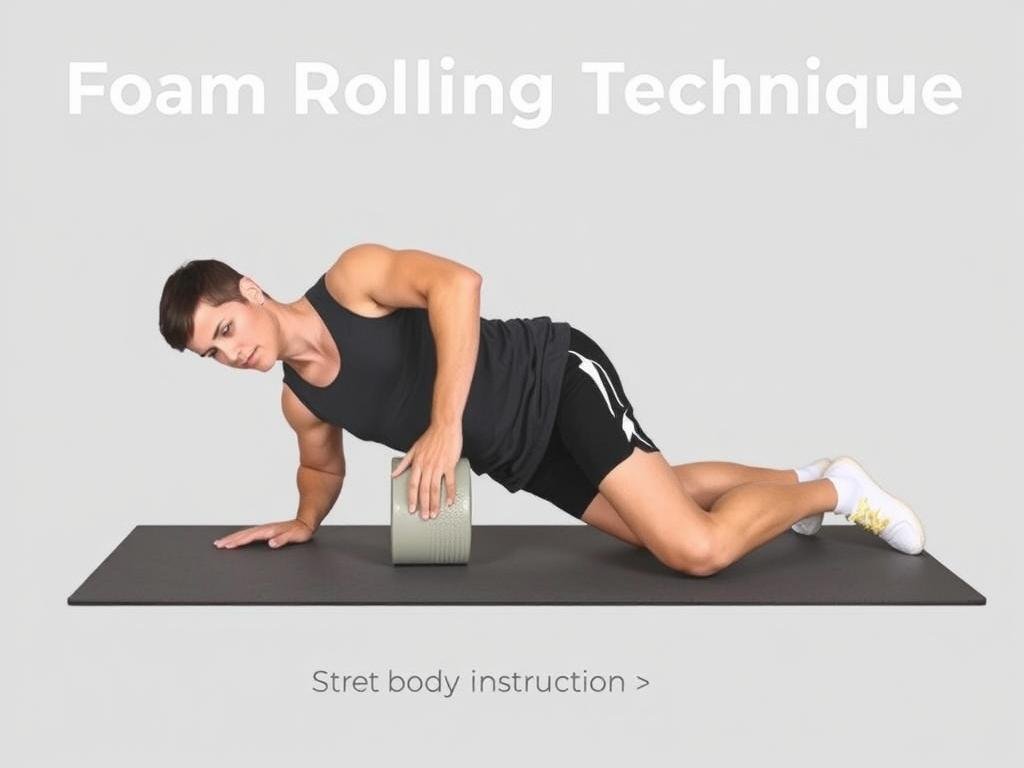
Foam rolling helps release muscle tension and improve blood flow to tissues
Foam rolling is a form of self-myofascial release that helps break up adhesions in muscles and fascia, improving blood flow and reducing muscle tension. Research published in the Journal of Athletic Training found that foam rolling for just 20 minutes after intense exercise reduced muscle soreness and improved range of motion in the following days.
This technique works by applying pressure to specific points on your body, helping to release tension and tightness. Regular foam rolling can improve tissue quality and mobility while accelerating the recovery process.
- Technique: Roll slowly (1-2 inches per second) over tender areas, pausing on particularly tight spots for 20-30 seconds
- Duration: 1-2 minutes per muscle group
- Frequency: Daily or after workouts; can be used both before and after exercise
- Target areas: Quadriceps, hamstrings, calves, glutes, back, and shoulders
Contrast Therapy: Hot and Cold Treatments

Alternating between hot and cold treatments can reduce inflammation and muscle soreness
Contrast therapy involves alternating between hot and cold treatments to enhance recovery. The temperature fluctuation creates a pumping action in the blood vessels—vasodilation with heat followed by vasoconstriction with cold—which can help reduce inflammation and flush out metabolic waste from muscles.
A study in the European Journal of Applied Physiology found that contrast water therapy reduced muscle soreness by 13-14% compared to passive recovery. This technique is particularly effective after high-intensity or high-volume training sessions.
Cold Therapy Benefits
- Reduces inflammation and swelling
- Numbs pain signals
- Constricts blood vessels
- Best used immediately after exercise
Heat Therapy Benefits
- Increases blood flow to tissues
- Relaxes tight muscles
- Enhances tissue elasticity
- Best used 24+ hours after exercise
For contrast therapy, alternate between hot (2-4 minutes at 100-104°F/38-40°C) and cold (1-2 minutes at 50-59°F/10-15°C) for 3-5 cycles, always finishing with cold. This can be done using showers, baths, or specialized equipment like hot tubs and ice baths.
Massage Therapy
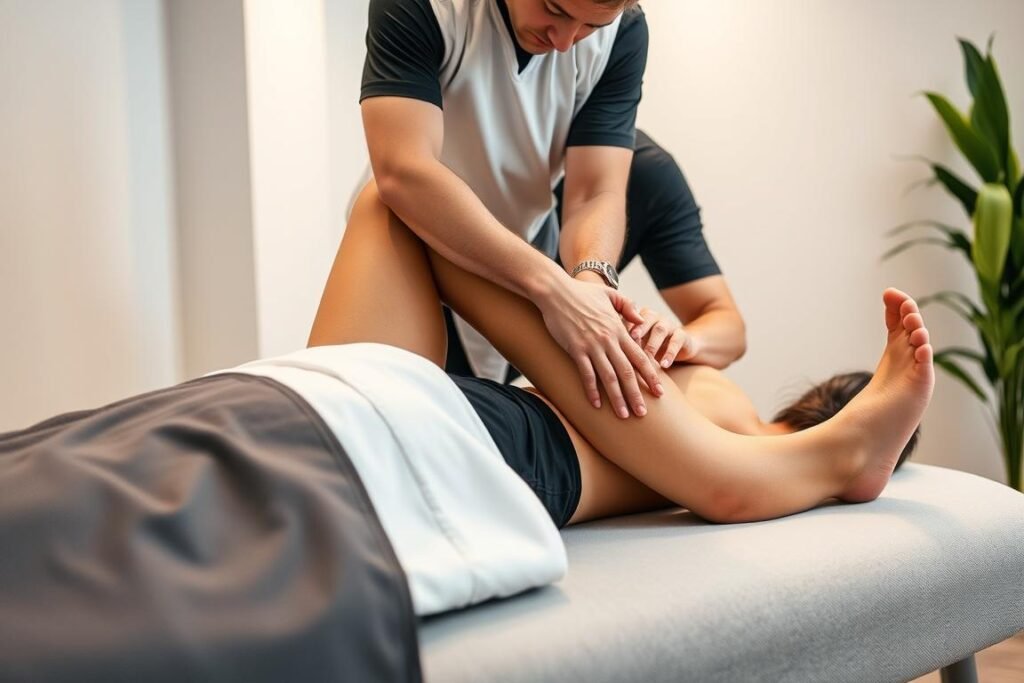
Massage therapy helps reduce muscle tension and promotes circulation
Massage therapy is one of the oldest recovery techniques, used for centuries to alleviate muscle tension and promote healing. Modern research confirms its benefits: a meta-analysis published in Frontiers in Physiology found that massage effectively reduced delayed onset muscle soreness (DOMS) and improved muscle performance recovery.
Massage works through several mechanisms: it increases blood flow to tissues, reduces muscle tension, breaks up adhesions, and may help flush out inflammatory cytokines that contribute to soreness. While professional massage offers the most benefits, self-massage tools can also be effective.
- Types: Swedish, deep tissue, sports massage, trigger point therapy
- Timing: Most effective when performed 24-48 hours after intense exercise
- Duration: 30-60 minutes for professional massage; 10-15 minutes for self-massage
- Tools: Massage guns, balls, sticks, and rollers can be used for self-massage
Mindfulness and Stress Management

Mindfulness practices reduce stress hormones that can impair recovery
Mental stress can significantly impact physical recovery. When you’re stressed, your body produces cortisol, a hormone that can impair muscle protein synthesis and slow the recovery process. Managing stress through mindfulness practices creates an optimal internal environment for recovery.
Research in the Journal of Strength and Conditioning Research found that athletes who practiced mindfulness techniques had lower cortisol levels and reported better recovery between training sessions. These practices help activate the parasympathetic nervous system—your body’s “rest and digest” mode—which is essential for recovery.
- Meditation: 10-20 minutes daily can reduce stress hormones and improve recovery
- Deep breathing: Box breathing (4 counts in, 4 counts hold, 4 counts out, 4 counts hold) activates the parasympathetic nervous system
- Progressive muscle relaxation: Systematically tensing and relaxing muscle groups to reduce physical tension
- Visualization: Mental imagery of muscles repairing and growing stronger can enhance the recovery process
Monitoring Your Recovery Progress
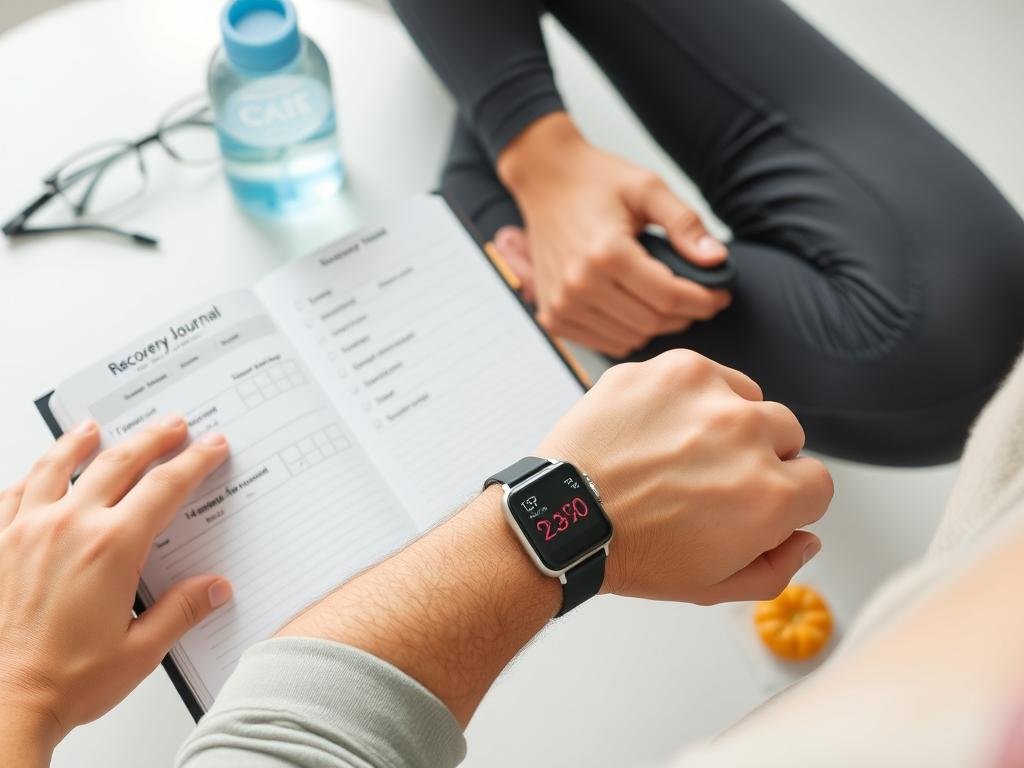
Tracking recovery metrics helps optimize your training and prevent overtraining
Tracking your recovery allows you to optimize your training schedule and prevent overtraining. Several metrics can help you assess how well your body is recovering and when you’re ready for your next intense workout.
Subjective Recovery Markers
- Perceived muscle soreness: Rate on a scale of 1-10; consistent scores above 7 indicate insufficient recovery
- Energy levels: Persistent fatigue may signal inadequate recovery
- Sleep quality: Poor sleep often correlates with incomplete recovery
- Motivation: Decreased interest in training can indicate physical or mental fatigue
- Mood: Irritability or mood swings may suggest overtraining
Objective Recovery Markers
- Resting heart rate: An elevated morning heart rate (5+ beats above baseline) suggests incomplete recovery
- Heart rate variability (HRV): Lower HRV indicates stress and incomplete recovery
- Performance metrics: Decreased strength, speed, or endurance compared to previous sessions
- Sleep tracking: Total sleep time and quality (deep sleep percentage)
Consider keeping a recovery journal or using a fitness app to track these metrics over time. This data can help you identify patterns and adjust your training and recovery strategies accordingly. Remember that recovery capacity varies between individuals and can change based on factors like stress, nutrition, and sleep quality.
Common Recovery Mistakes to Avoid
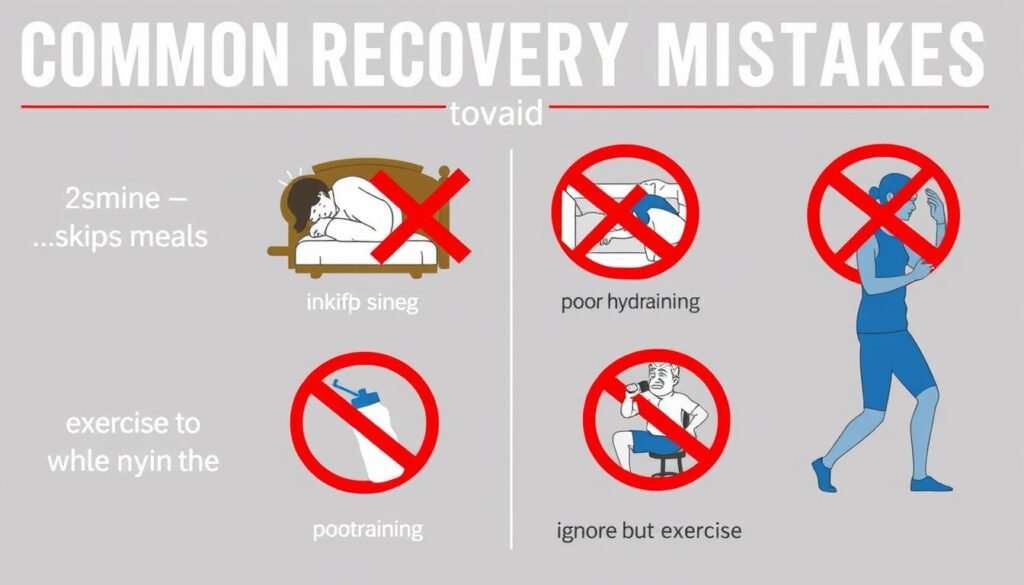
Avoiding these common recovery pitfalls will enhance your results and prevent setbacks
- Neglecting nutrition: Failing to refuel properly after workouts delays recovery and limits gains
- Insufficient hydration: Even mild dehydration can significantly impair the recovery process
- Inadequate sleep: Shortchanging sleep directly impacts hormone production essential for repair
- Overtraining: Not allowing adequate recovery between intense sessions leads to diminishing returns and increased injury risk
- Ignoring pain: Distinguishing between normal soreness and injury pain is crucial; the latter requires proper attention
- Inconsistent recovery routines: Recovery works best when practiced consistently, not just when soreness is severe
- Relying on supplements alone: Recovery supplements should complement, not replace, proper nutrition, rest, and relaxation techniques
Remember that recovery is highly individual. What works for one person may not work for another. Experiment with different techniques and monitor your results to develop a personalized recovery strategy that optimizes your performance and supports your fitness goals.
Creating Your Personalized Recovery Plan

A structured recovery plan is as important as your training program
An effective recovery plan integrates nutrition, rest, and relaxation techniques into a cohesive strategy that complements your training program. Here’s how to create a personalized approach that addresses your specific needs and goals:
Step 1: Assess Your Current Recovery Status
- Track your subjective and objective recovery markers for 1-2 weeks
- Identify patterns and potential areas for improvement
- Consider your training volume, intensity, and frequency
Step 2: Prioritize Recovery Techniques
- Focus first on the fundamentals: nutrition, hydration, and sleep
- Add supplementary techniques based on your specific needs and available time
- Consider your budget and access to recovery tools and resources
Step 3: Create a Weekly Recovery Schedule
- Plan your nutrition strategy for workout and rest days
- Schedule dedicated time for sleep and relaxation techniques
- Integrate active recovery sessions between intense workouts
- Include regular assessment of recovery markers
Step 4: Adjust Based on Results
- Regularly review your recovery metrics and progress
- Modify your approach based on what works best for your body
- Consider seasonal adjustments and life stressors that may impact recovery needs
“Recovery is not just about what you do between workouts—it’s about creating a lifestyle that supports your performance goals. The most successful athletes are often those who master the art of recovery, not just the science of training.”
Frequently Asked Questions
How long should you rest muscles between workouts?
Most muscle groups need 48-72 hours to fully recover between intense training sessions. However, this varies based on several factors including training intensity, your fitness level, age, nutrition status, and sleep quality. Beginners typically need more recovery time than advanced athletes. You can train different muscle groups on consecutive days (e.g., upper body one day, lower body the next) to allow for adequate recovery while maintaining training frequency.
What’s the difference between active and passive recovery?
Active recovery involves light, low-intensity movement (walking, swimming, yoga) that increases blood flow to muscles without causing additional stress. Passive recovery is complete rest with no physical activity. Both have their place in a recovery program: active recovery is generally better for reducing soreness and maintaining mobility, while passive recovery is important for nervous system recovery and overall rest, particularly after very intense training periods or competitions.
Can you speed up muscle recovery?
Yes, you can accelerate muscle recovery by implementing proper nutrition (especially protein and carbohydrates), staying well-hydrated, getting adequate sleep, using techniques like foam rolling and contrast therapy, and managing stress levels. Consistency with these practices is key—implementing all aspects of recovery regularly will yield better results than occasionally using a single technique. However, there’s no shortcut that eliminates the need for adequate recovery time between intense training sessions.
Is soreness a good indicator of an effective workout?
Not necessarily. While some muscle soreness (known as delayed onset muscle soreness or DOMS) is normal, especially after new or particularly intense workouts, it’s not required for muscle growth or strength gains. The absence of soreness doesn’t mean your workout was ineffective. Progressive overload (gradually increasing weight, reps, or intensity) is a much better indicator of an effective training program than soreness. Excessive or persistent soreness may actually indicate inadequate recovery or poor training programming.
Should I take supplements to enhance recovery?
Supplements can support recovery, but they should complement, not replace, proper nutrition, rest, and recovery techniques. Evidence-based supplements that may aid recovery include protein powder (for convenient protein intake), creatine monohydrate (for strength and recovery), omega-3 fatty acids (for reducing inflammation), and magnesium (for muscle function and sleep). Always prioritize whole foods and fundamentals before adding supplements, and consult with a healthcare professional before starting any supplement regimen.
Conclusion: Recovery as a Competitive Advantage
In the pursuit of fitness goals, recovery is often the missing link that separates good results from great ones. By implementing effective muscle recovery techniques through nutrition, rest, and relaxation, you create an environment where your body can repair, rebuild, and grow stronger after each workout.
Remember that recovery isn’t passive—it’s an active process that requires attention and strategy. The time and effort you invest in recovery will pay dividends in improved performance, reduced injury risk, and sustainable progress toward your fitness goals.
Start by focusing on the fundamentals: proper post-workout nutrition, adequate hydration, quality sleep, and strategic rest days. Then incorporate supplementary techniques like foam rolling, contrast therapy, and mindfulness practices based on your specific needs and preferences.
Most importantly, listen to your body. Recovery needs vary between individuals and can change based on training intensity, life stress, and numerous other factors. By monitoring your recovery status and adjusting your approach accordingly, you’ll develop a personalized strategy that optimizes your results and enhances your overall well-being.
Take Your Recovery to the Next Level
Ready to implement these strategies? Download our free Personalized Recovery Plan Template to create a structured approach tailored to your specific needs and goals. This comprehensive tool includes a recovery tracker, nutrition planner, and technique scheduler to help you optimize your results.
Additional Resources
- Books: “Good to Go: What the Athlete in All of Us Can Learn from the Strange Science of Recovery” by Christie Aschwanden
- Research: Journal of the International Society of Sports Nutrition – https://jissn.biomedcentral.com/
- Recovery Tools: Foam rollers, massage guns, compression garments, and contrast therapy equipment
- Apps: Sleep cycle trackers, recovery monitoring apps, and nutrition planners
- Professional Support: Sports nutritionists, physical therapists, and recovery specialists
By combining the science of recovery with consistent practice, you’ll build a foundation for long-term success in your fitness journey. Remember that recovery isn’t just about bouncing back—it’s about coming back stronger.